
Walmart’s Spark Driver program uses independent contractors to deliver orders from Walmart, Sam’s Club, and partner stores.
Below is a clear, sourced look at how the job works—what’s good, what’s challenging, and what to weigh before you sign up.
Watch out carefully for the Walmart Spark Driver pros and cons.
What Spark Driver Is—and How It Works
Spark Driver™ is Walmart’s app-based platform for last-mile deliveries.
Drivers enroll, pass background screening, choose a local “zone,” and accept or decline delivery offers in the app.
Walmart emphasizes that you are an independent contractor, not an employee, and you can also drive for other apps.
You will note background screening (motor vehicle and criminal checks), delivery hours (typically 6:00 a.m.–11:00 p.m.), and no minimum acceptance rate.
Pros
- Clear contractor status lets you “multi-app” with Uber Eats, DoorDash, Instacart, etc. This can smooth out slow periods.
- Wide delivery window (morning through late evening) increases your chance to work around other commitments.
Cons
- Background screening (via motor vehicle and criminal checks) can take days and may result in denials; you cannot predict a start date.
- You must supply a reliable car and valid insurance; motorcycles and motorized scooters aren’t accepted, which limits vehicle options.
Pay, Tips, and Incentives
Spark displays an estimated earnings amount with each offer, composed of base trip pay, tips, and occasional incentives.
Walmart says you keep 100% of customer tips, but customers can adjust them for roughly 24 hours after delivery.
Independent analyses that aggregate real drivers’ data suggest typical hourly earnings in the mid-teens to mid-$20s.
Pros
- Transparent in-app estimate for each offer, plus periodic bonuses and streaks that can lift earnings.
- Instant payout is available with ONE.
- At peak times (weekends, evenings, or large grocery waves), hourly averages can climb.
- Third-party trackers routinely report $20+ in strong markets.
Cons
- Tip dependence is significant.
- Gridwise’s broader food-delivery snapshot found that more than half of driver income came from tips in 2024–2025
- Spark’s 24-hour tip-adjust window adds uncertainty.
- Drivers have reported “tip baiting”—high tips shown upfront that are reduced after delivery—because of the 24-hour adjustment policy.
- Walmart says most adjustments increase tips, but many drivers remain wary.
Offer Volume, Zones, and Market Saturation
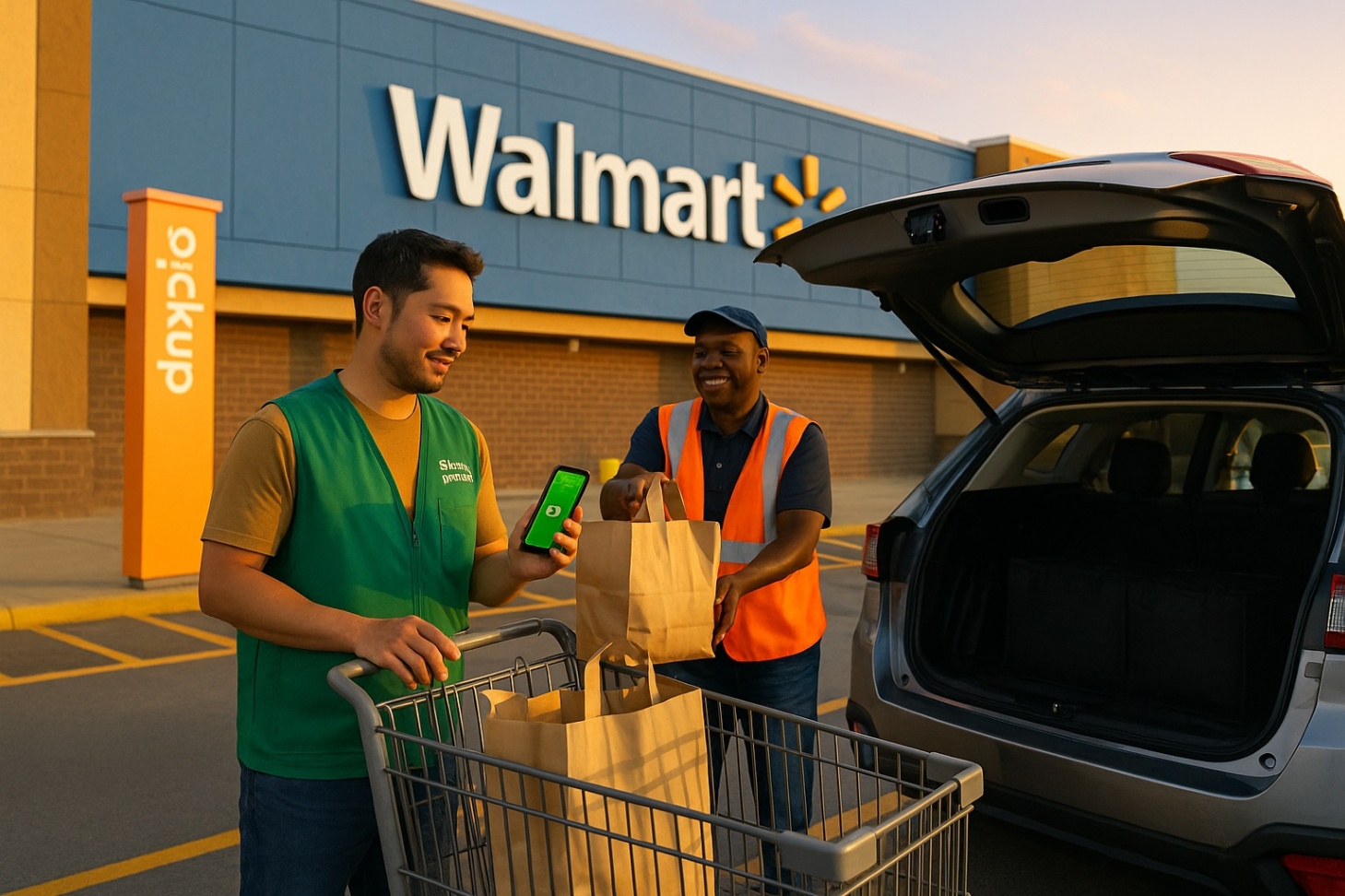
You enroll in a zone, and offers flow when you toggle “Spark Now.” You can change zones later, but if a zone is full, you’ll be placed on a waitlist.
Offer volume is tied to local order demand, driver supply, and store operations.
Pros
- Freedom to be selective—decline low-pay or long-distance offers without jeopardizing your account.
- Ability to shift zones and work different hours to find more consistent order density.
- There is no minimum acceptance rate to remain on the platform (helpful for cherry-picking)
Cons
- Oversaturation can reduce offer frequency; many drivers experience feast-or-famine patterns.
- Third-party review roundups highlight fluctuating job availability by market.
- Fewer accepted trips can still mean fewer earnings
Verification, Deactivation, and Support
Walmart has rolled out real-time identity checks (selfie matching to ID) to reduce fraud.
Pros
- Identity checks can protect the marketplace from account sharing and fraud.
- Support is accessible in-app every day, with a bot always on.
Cons
- False negatives in facial verification can sideline accounts, and appeals may be slow.
- Public reporting documents multiple such cases.
Legal and Policy Headlines You Should Know
In late 2024, the Consumer Financial Protection Bureau sued Walmart and a payments provider (Branch).
They alleged they opened accounts for Spark drivers without proper consent and charged “junk fees.”
The case underscores that payment rails and account choices matter; review any terms tied to payout partners and check your earnings method regularly.
There have also been isolated payout reconciliations reported in the press—drivers receiving back-tips after system errors were resolved.
Pros
- Regulatory scrutiny can push for clearer disclosures and more driver-friendly practices.
Cons
- Changes to payout providers or policies can create confusion.
- Staying current with app notices and help-center updates is on you.
Order Types and In-Store Workflow
Spark runs multiple order types.
Grocery, Dotcom (general merchandise), Walmart GoLocal (non-Walmart pickups), Pharmacy, and Shopping & Delivery (you shop in-store, then deliver).
Each type has its own time demands.
Pros
- Variety lets you tailor work: some drivers prefer straight pickup-and-go; others do well with Shopping & Delivery if estimates justify the time.
- Spark says factor into the earnings estimate.
Cons
- Complex or heavy orders, long wait times at pickup, or far-flung drop-offs can compress effective hourly pay if estimates don’t cover the effort.
- Shopping adds in-store tasks.
- Apartments and heavy items add handling time
- Alcohol and certain medicines carry extra compliance rules.
Taxes, Expenses, and Insurance
As a contractor, no taxes are withheld; you’ll receive a 1099 and must track mileage, fuel, maintenance, and other deductible expenses.
Many drivers use the IRS standard mileage deduction; expense-tracking tools recommend logging every trip and receipt to protect deductions.
Proof of valid auto insurance in your name is required during enrollment.
Pros
- Contractor deductions (mileage, phone, supplies) can meaningfully reduce taxable income if you keep accurate records.
Cons
- You shoulder fuel, depreciation, tires, and no employee benefits like health insurance or paid time off.
Earnings Outlook: What Realistic Drivers Do
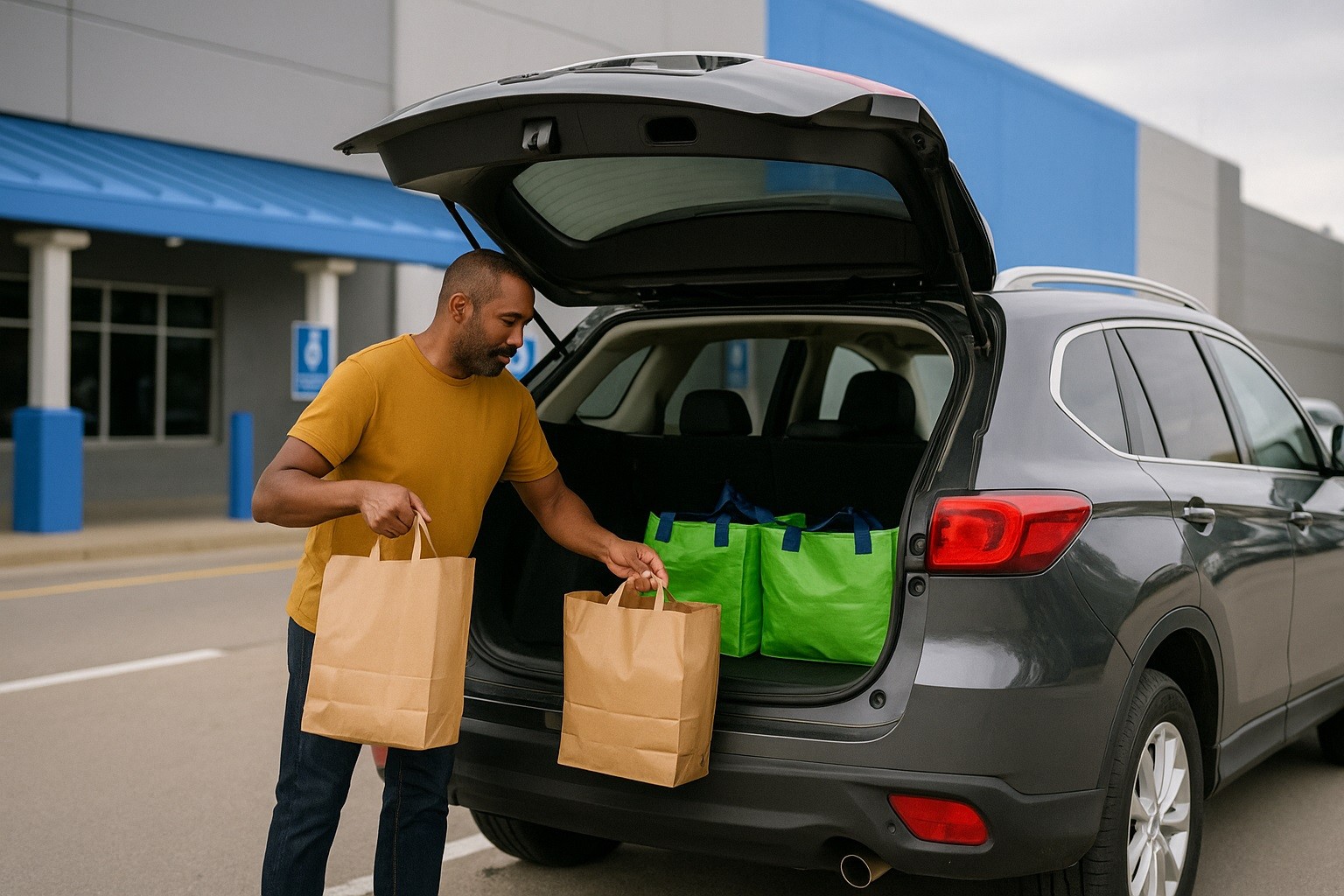
Multi-apping, selectively accepting offers with stronger per-mile rates, and minimizing deadhead miles are common strategies.
Typical reported ranges are $15–$25/hour.
Pros
- With the right timing and selectivity, Spark can be a strong supplemental income stream.
- Smart scheduling (weekend evenings, end-of-month grocery cycles, and holidays) can materially improve averages.
- Spikes in strong zones
Cons
- Without disciplined offer selection and mileage control, net earnings (after gas and wear) can fall below headline numbers.
- Valleys still happen during slow hours or saturated markets.
Bottom Line
Spark Driver offers flexibility, transparent offer estimates, and large retailer order volume.
You can keep 100% of tips, stack incentives, and cash out instantly with certain payout options.
If you’re considering Spark, test your local zone at peak times, track every mile, and compare your net earnings to alternatives in your area.