
Conversations now often feel brief, detached, and unsatisfying. Many interactions end quickly before they gain real depth.
This shift reflects growing modern communication problems that affect how people connect daily. This article will guide you through the causes, hidden patterns, and practical ways to build longer, more meaningful conversations.
Technology’s Role in Shorter Conversations
Technology has made communication faster, but it has also made conversations more disposable. Instant messaging encourages short replies that reduce emotional tone and remove gestures, pauses, and natural rhythm.
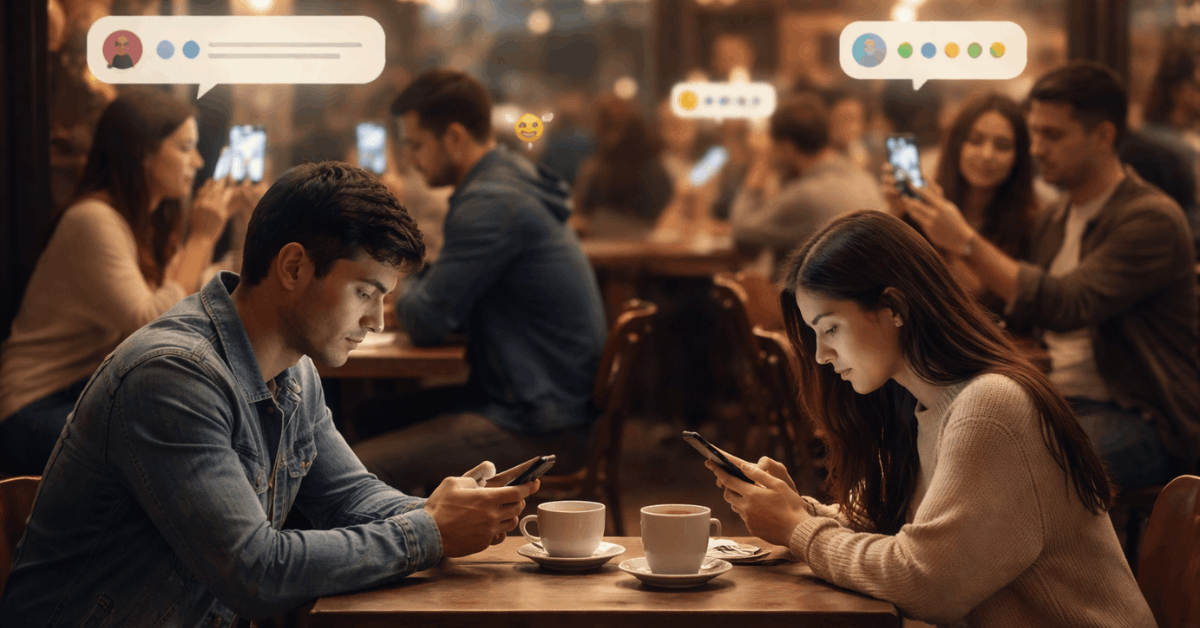
Social media habits train you to scroll quickly, which weakens your ability to focus deeply on one person.
Voice notes and emojis may temporarily replace tone, but they often limit real dialogue and emotional exchange.
The Decline of Attention Span
Shorter attention spans aren’t just about distractions—they change how long people want to stay in a conversation. You’ve probably noticed this in both digital and face-to-face chats.
Conversations Compete with Notifications
Your devices constantly pull your focus. A simple ping breaks the flow of a meaningful chat. Even during a serious talk, your attention drifts to a screen.
People multitask while talking, which reduces quality. If the other person senses you’re half-listening, they’ll stop talking too. This pattern makes every exchange feel rushed.
Instant Gratification Culture
The rise of fast content affects expectations. If a topic doesn’t immediately interest you, you check out. This makes you less likely to ask follow-up questions. People give up too fast instead of allowing the dialogue to grow.
The expectation of speed kills the value of patience in communication. Some ideas need time—but most conversations never get the chance.
Modern Communication Problems and Emotional Disconnection
Emotional depth is rare in today’s fast replies. This is the first sign of modern communication problems—where tools shape how close or distant you feel.
Fear of Vulnerability
Real conversations require openness. But many people avoid deep topics to stay safe. You might stick to surface talk because it feels less risky.
Unfortunately, this also blocks emotional connection. When no one opens up, conversations stay flat and end quickly. Vulnerability makes dialogue last longer—but it feels rare today.
Texting Replaces Emotional Cues
You can’t see someone’s face or hear their tone when you’re texting. That makes it easy to misunderstand or feel misunderstood. A short answer might seem cold, even if it’s not.
Misread messages cause people to stop replying. The moment emotional safety drops, the conversation ends. You need emotional cues to survive conversations.
Social Norms Have Shifted
Social culture now leans toward avoiding intensity. People keep things short because long or emotional talks feel awkward.
Small Talk Dominates
Most people default to light, polite topics. This includes work updates, daily schedules, or jokes. It’s safe—but it gets old fast.
When small talk rules, it pushes out real dialogue. Some people crave more, but they don't want to risk being “too much.”
Politeness Over Authenticity
You say “I’m fine” when you’re not. You avoid saying something real to stay in line with social norms. This fake harmony shortens conversations.
It blocks natural curiosity and keeps both sides from caring more. You miss a connection for the sake of being “nice.” That keeps interactions shallow.
Mental Fatigue and Daily Burnout
You don’t always have energy for deep chats. That’s normal. Burnout makes conversations feel like extra work.
Brain Drain After Work
After a long shift or tough day, it’s easier to avoid talking. Even when you care, you’re just too tired. This leads to short replies or no reply at all.
You might skip a phone call just to avoid spending more energy. These choices feel necessary—but they also isolate you.
Digital Exhaustion
You read, type, and scroll all day. This digital overload drains emotional energy. Texts and calls feel overwhelming after a screen-heavy day.
Instead of talking, many people turn to silence or passive scrolling. That pattern makes conversations fade out fast.
Modern Friendships Are Becoming Transactional
This section marks the second mention of modern communication problems. It highlights how friendships now often serve temporary roles.
Location and Lifestyle Gaps
Friends move, grow, or shift routines. You might drift from someone just because your schedules stopped matching.
Without shared experience, there’s less to say. You don’t stop caring—but the dialogue slows and disappears. This isn’t personal, just circumstantial.
Conversations Around “What You Do”
Some friendships revolve around shared projects. You chat because you’re working on the same thing. When that work ends, the reason to talk fades.
Without a stronger foundation, the connection breaks off. This creates temporary bonds, not lasting dialogue.
People Don’t Know How to Listen Anymore
Listening is active—but most people do it passively. Everyone wants to be heard, but few give that back.
The Urge to Interrupt
People jump in to share their side without fully hearing yours. They relate everything back to themselves too quickly. This makes you feel invisible in the conversation.
When no one truly listens, the other person stops talking. Listening is not silence—it’s presence. You need to feel heard to keep talking.
Passive Listening in Group Chats
In group conversations, most participants just read silently. This can feel like being ignored. If you message a group and no one replies, it kills momentum.
Group chats reduce accountability, which leads to short, unfulfilling exchanges. Real dialogue needs a response, not just viewing.
Anxiety and Social Overthinking
Many people overthink every message. That pressure makes conversation exhausting instead of relaxing.
Fear of Being Misunderstood
You might keep replies short just to avoid saying something wrong. But this also blocks the connection. When every word is filtered for safety, nothing personal gets shared.
You hide behind short answers to protect yourself. This defense mechanism kills the natural rhythm of communication.
Overanalyzing Every Word
Some people don’t reply because they’re overthinking it. They rewrite, delete, and doubt everything. That anxiety leads to silence.
Instead of being casual, the conversation becomes high-stakes. This overthinking causes the whole chat to end before it can grow.
Too Many Options, Too Little Commitment
Modern communication problems also stem from choice overload. You have access to hundreds of people, but little investment in any.
Messaging 10 People at Once
You might message multiple people, but give none your full attention. This keeps every conversation shallow. You forget what you said or to whom.
You’re managing interactions, not enjoying them. This multitasking makes every chat feel disposable.
Ghosting Is Easy and Common
It’s now socially normal to disappear. You don’t owe an explanation, and most people don’t expect one. But this lack of closure hurts trust.
It teaches people not to invest emotionally. The result? Conversations die fast, often without warning.
Generational Differences in Communication
Age affects how people talk. One person's “normal” might be another's “weird.”
Boomers vs. Gen Z
Older people prefer calls and full sentences. Younger people prefer short replies, emojis, and voice notes. These styles often clash.

One person might feel ignored, the other might feel overwhelmed. Misaligned styles lead to early exits from conversations.
Misinterpretation Across Ages
What seems “rude” to one person feels “normal” to another. Silence, punctuation, or emoji choice can all send the wrong signal.
Without shared cues, people pull away. These breakdowns aren’t always personal—they’re generational.
Lack of Purpose in Conversations
Conversations with no goal often lose direction fast. When neither side knows why they’re talking, things end quickly.
The Need for Shared Purpose
Chats about work or planning something last longer because they’re focused. But casual chats often feel aimless.
Without a reason to continue, people drop off. Purpose creates momentum in dialogue. Without it, things stall fast.
Conversations That Go in Circles
When the same topic is repeated without change, interest fades. You feel like you’re talking in loops.
This happens when no one adds new input or direction. Eventually, someone stops replying. Conversation needs movement to stay alive.
Let’s Keep the Conversation Going
You don’t have to accept that conversations must end fast. Modern communication problems are real, but they’re fixable.
With more presence, intention, and empathy, you can bring depth back into your dialogues. Try changing how you talk—and notice how people respond.