
Getting quality rest is more important than simply sleeping longer. Many people feel tired because their sleep is light or frequently disturbed.
Deep, uninterrupted rest is what helps the body truly recover. This article will guide you through how to sleep better and wake up feeling refreshed.
Understanding What Happens During Sleep
Sleep isn’t a passive state. Your body and brain are highly active while you rest. Throughout the night, you cycle through light sleep, deep sleep, and REM (rapid eye movement) stages.
Each stage plays a critical role in healing, memory formation, and hormone balance. If you miss or interrupt these cycles, your body doesn’t get the full benefit of rest. That’s why 8 hours of light sleep still leaves you tired.
Signs Your Sleep Quality Needs Work
Watch for signs that your sleep isn’t as restful as it should be. These red flags often point to poor sleep quality, even if you're in bed long enough.
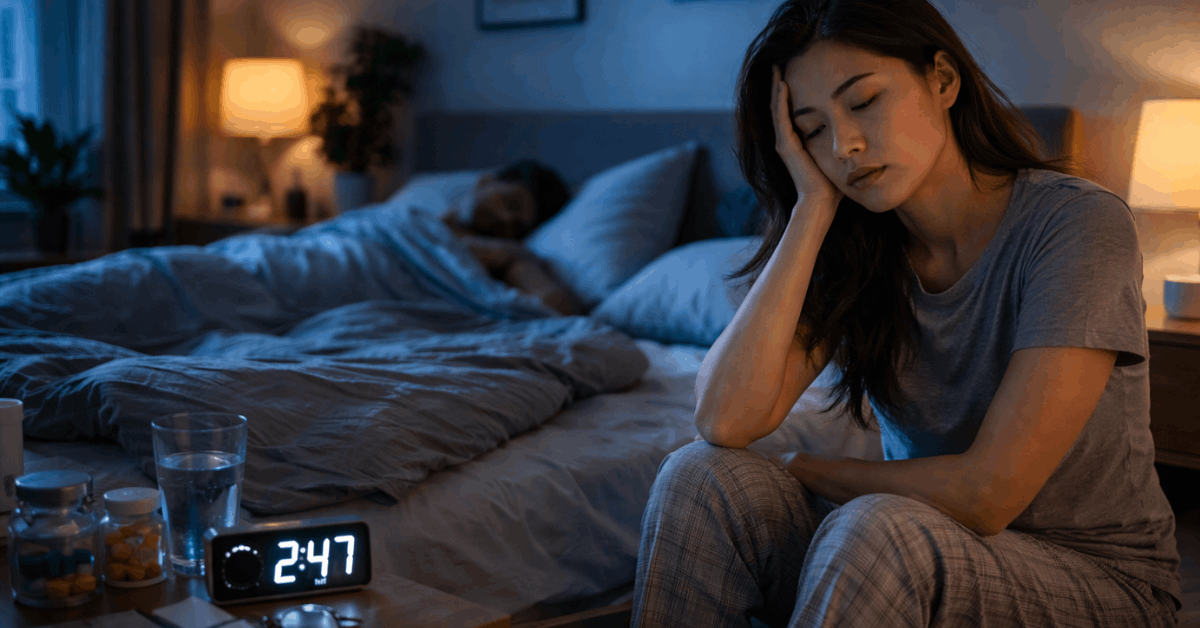
- You feel mentally foggy even after what seems like a full night’s rest.
- You rely on multiple alarms or still feel the need to nap during the day.
- You wake up frequently at night or toss and turn without realizing it.
- You experience mood swings or irritability without any clear cause.
How Much Sleep Do You Actually Need?
Sleep needs vary by age and activity level. Some people believe they can function on little sleep—but over time, that leads to burnout.
Young adults generally need between 7 and 9 hours of sleep. Teenagers may require up to 10 hours. Children need even more to support growth and learning.
Older adults may feel rested with 7 to 8 hours, but quality becomes more important than quantity. Oversleeping can also lead to fatigue and grogginess.
Build a Pre-Sleep Routine That Works
What you do before bed sets the tone for how you’ll sleep. A solid nighttime routine signals to your body that it’s time to wind down.
Start by turning off all screens at least an hour before bed. Blue light from phones and TVs disrupts your melatonin production.
Replace screen time with quiet activities like reading, journaling, or stretching. Keep your routine consistent, even on weekends.
Set Up the Right Environment for Deep Sleep
The space you sleep in matters more than you think. Temperature, light, and sound all affect your ability to reach deep sleep.
Keep your room dark, quiet, and cool. The ideal temperature for sleeping is around 60–67°F (16–19°C). Use blackout curtains to block outside lights and white noise machines to mask sound.
A supportive mattress and clean bedding also make a difference. If you wake up with aches, your pillow may be the problem.
Align Your Sleep With Your Chronotype
Some people feel more alert at night, while others wake up ready to go. Understanding your chronotype helps you optimize your sleep window.
Night owls may struggle with early wake-up calls. Early birds feel sleepy if they stay up too late.
Try adjusting your bedtime by 15-minute increments until you find your ideal rhythm. Don’t fight your body’s natural pattern—work with it when possible.
Eat and Move for Better Sleep Quality
What you eat and how you move during the day affect your rest at night. Sleep and lifestyle are tightly linked.
Avoid caffeine, alcohol, and heavy meals in the hours before bedtime. These substances can delay sleep onset and interrupt rest.
Include light activity during the day, like walking or stretching. Regular exercise improves sleep depth—but avoid high-intensity workouts close to bedtime.
Morning Habits That Improve Nighttime Sleep
The way you start your day impacts how you end it. Healthy mornings support better nighttime rest.
Get sunlight on your skin as early as possible. This helps regulate your internal clock and boosts serotonin.
Avoid hitting the snooze button—it disrupts your sleep rhythm. A consistent morning routine trains your body to wake up naturally over time.
Stop Feeling Tired When You Wake Up
Waking up refreshed is possible—but you must remove the factors that interfere with recovery.
Avoid sleeping in shifts or relying on fragmented naps. Stick to one wake-up time every day, even on weekends. This reinforces your natural rhythm.
Try using a sunrise alarm clock that mimics natural light. It eases you out of sleep gently without a harsh jolt.
Consider Sleep Aids Only When Necessary
Some people need short-term help falling asleep. But sleep aids should never be your long-term strategy.
Melatonin supplements can be effective when used in low doses. Always start small and check with your doctor first.
Avoid over-the-counter sleep meds that cause drowsiness the next day. Your goal is to restore natural sleep, not replace it with drug-induced unconsciousness.
Common Conditions That Disrupt Sleep
Sometimes the problem goes beyond your habits. Health conditions can block you from sleeping deeply.
Sleep apnea causes repeated interruptions in breathing during the night. Insomnia involves difficulty falling or staying asleep.
Restless leg syndrome can keep you from getting comfortable. If you’ve tried lifestyle changes with no improvement, speak to a doctor.
How to Sleep Better Without Medication?
Most sleep problems respond well to behavior changes. Medication isn’t always necessary.
Use guided meditation apps or calming music to slow down your thoughts. Stick to a consistent sleep-wake schedule, even when tempted to sleep in.
Limit alcohol, which reduces sleep quality. Avoid naps longer than 30 minutes during the day. These steps support natural sleep cycles.
How to Sleep Better While Dealing With Stress?
Stress is a major sleep killer. But you can manage your mind and prevent it from keeping you awake.
Write down anything that’s worrying you before bed. This frees your brain from looping thoughts. Try a slow breathing technique like box breathing (inhale 4, hold 4, exhale 4, hold 4).
Avoid working in bed, and keep your workspace separate from your rest area. The goal is to teach your brain that bed equals sleep.
Use Technology to Support, Not Sabotage
Tech can help or harm depending on how you use it. Make it work for your sleep, not against it.
Turn on night shift mode on your phone to reduce blue light. Try apps like Calm, Sleep Cycle, or Headspace.
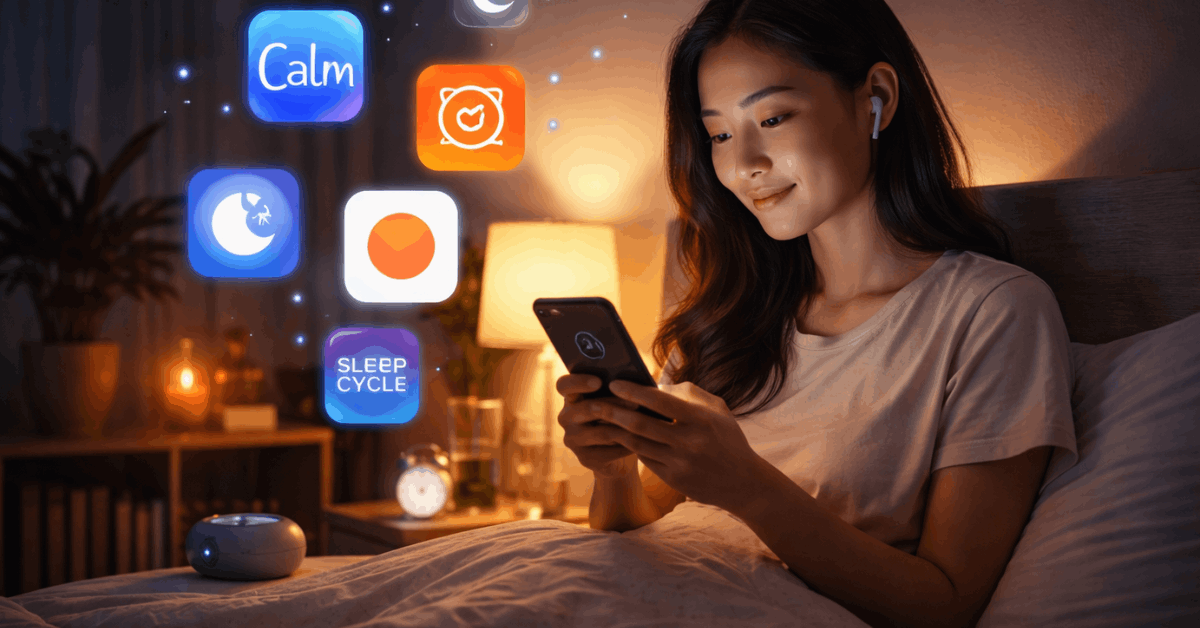
They guide you through wind-down routines or track your rest patterns. Avoid scrolling social media in bed—it keeps your brain too alert to fall asleep easily.
Don’t Let the Weekend Ruin Your Progress
Weekend habits can undo everything you fixed during the week. Keep a stable rhythm even on your days off.
If you stay up late, limit it to an extra hour. Wake up within the same 1-hour range every day. Avoid the temptation to binge sleep to “catch up.”
That throws off your natural cycle and makes Monday even harder. Your body needs consistency, not surprise shifts.
When It’s Time to Ask for Help?
If you’ve done everything and nothing works, don’t wait. It may be time to bring in a professional.
Chronic sleep problems affect your heart, mood, memory, and focus. If you’ve struggled for over a month, get evaluated.
A sleep study can uncover underlying issues. The sooner you act, the sooner you’ll feel better.
Make Sleep Your Ally, Not Your Struggle
You don’t need to accept poor sleep as normal. You can improve your rest by making intentional changes.
The key to how to Sleep Better lies in your daily actions. Focus on your routine, environment, and mindset.
Build habits that align with how your body wants to rest. Over time, waking up tired will become a thing of the past.